Housing Choices
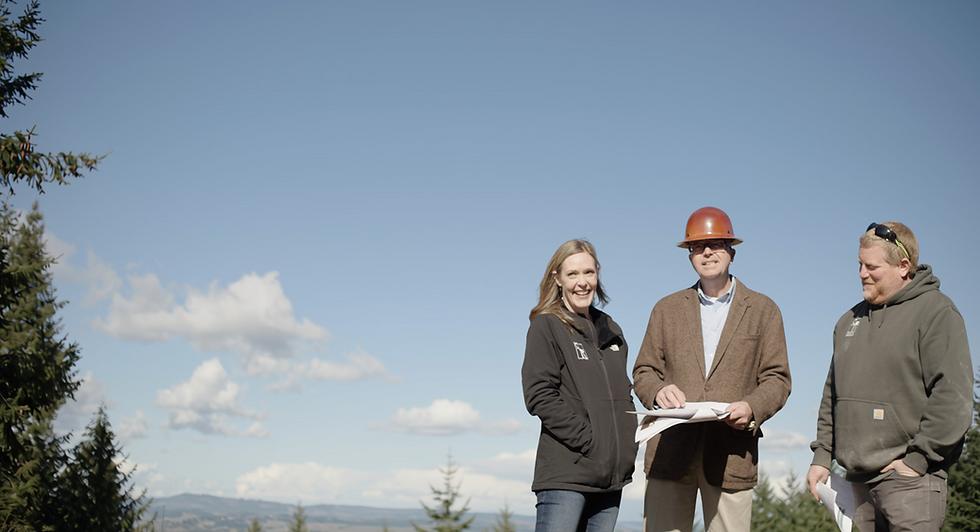
As an experienced homebuilder, Carson Benner offers a unique perspective on the factors driving housing costs in our region. To address affordability, he advocates for several key strategies: reducing bureaucratic red tape that delays construction, optimizing the use of existing urban land, and encouraging a diverse range of housing types—from townhomes to middle-income housing—all while ensuring that we plan responsibly for the future growth and distinctive character of McMinnville.
If All You Have Is a Hammer,
Everything Looks Like a Nail
They say that when the only tool you have is a hammer, everything looks like a nail.
I am a homebuilder, so I suppose there is some truth to the idea that I see many of McMinnville’s challenges through the lens of housing.
But I also believe housing is one of the most important challenges facing our community, and one that touches almost every other issue we are trying to solve.
When I was appointed to the McMinnville City Council in April, I made a commitment: I would look at every decision before the council through the question, “What impact will this have on housing?”
That doesn't mean housing should be the only consideration in every decision. It means we should recognize that the availability and affordability of housing affects almost everything else we care about.
We need enough housing that working families, seniors and young people can afford to live here.
Consider what happens when we don't.
Local businesses have difficulty attracting and retaining employees. Young professionals who want to live in the community where they work increasingly find themselves looking at Newberg, Lafayette, Dayton, Sheridan or other communities because they cannot find a home they can afford in McMinnville.
Families face difficult choices about where they can live. Seniors who want to downsize may find that there are few options that make financial sense. And our efforts to address homelessness become even more difficult when there is simply not enough housing available at attainable price points.
Even our schools feel the effects. Housing affordability is certainly not the only reason our student population has declined, but when young families cannot afford to live in the community, it becomes harder to maintain the population of families with school-age children that our schools need.
The numbers tell an important story.
McMinnville's Housing Needs Analysis estimates that we need to accommodate approximately 233 new dwelling units every year. Yet we have not consistently come close to that pace.
In 2025, only 26 single-family building permits were issued. Through the first part of 2026, we have issued only 18.
Those numbers should concern all of us.
There are many reasons for our housing shortage. Construction have increased more than baseline inflation. Interest rates have increased. Regulations can add time and expense. Infrastructure is expensive. Land costs are high.
But ultimately, housing is still a supply-and-demand equation.
And this brings me to the Urban Growth Boundary.
I believe the delay in expanding McMinnville's Urban Growth Boundary has been one of the most significant contributors to our housing shortage. Our own housing analysis identifies a substantial shortage of residential land within the existing boundary. We need to address that. But I do not believe expanding the UGB is the only answer.
In fact, if we simply expand the boundary and continue doing everything else the same way, we will have missed an important opportunity.
We need to build more efficiently inside the community we already have.
That means looking seriously at how long it takes to move a housing project from concept to construction. If a project that should take months takes years to navigate the approval process, the additional time becomes another cost that ultimately gets passed on to the person buying or renting the home.
We need to look for ways to make the approval process faster and more predictable without sacrificing appropriate public review.
We also need to be willing to accommodate housing models that may not look like the traditional subdivision or apartment complex.
Accessory dwelling units, cottage clusters, smaller homes, townhomes, manufactured and other innovative housing models can all have a role in providing options at different price points.
And we need to look at where greater density makes sense.
Not every neighborhood needs to look the same. But where infrastructure and transportation can support it, we should be willing to consider alternative high-density housing models that make better use of the land we already have.
The goal should not simply be to build more houses.
The goal should be to create more housing choices.
I think about this in very personal terms.
I bought my first house in 1992 it was a small, two-bedroom fixer-upper in Newberg. At the time, I was a management trainee at Evergreen International Airlines and earned $20,000 a year. We paid $55,000 for the house.
That meant the purchase price was about 2.75 times my annual income.
Today, the median home price in McMinnville is $448,000, this is more than six times McMinnville's median household income of $73,736.
That is a profound change in the housing equation.
We cannot simply tell today's young people to work harder, save more or wait for the market to change. The math is different than it was for previous generations.
And that is why I believe McMinnville needs to pursue several solutions at the same time.
-
We need to expand our Urban Growth Boundary and make sure there is enough land available for future housing.
-
We need to make it easier and faster to build the housing that our community needs.
-
We need to embrace a broader range of housing types.
-
We need to allow appropriate density in appropriate locations.
-
And we need to continue looking for ways to reduce the cost of building housing without compromising safety, quality or the character of our community.
None of these solutions will solve the problem by itself.
But together, they can begin to change the trajectory.
As a homebuilder, I may naturally see housing as the hammer.
But sometimes the nail really is there.
McMinnville has a housing shortage. Our own planning work tells us that. The market tells us that. Employers tell us that. And families trying to find a place to live tell us that.
When I took my seat on the City Council, I promised to consider the housing impact of the decisions we make.
Because housing isn't just about houses.
It is about whether a young person who grew up here can afford to come back. It is about whether a teacher or nurse can live in the community where they work. It is about whether a senior can remain in the community they call home. It is about whether local businesses can find the employees they need.
And ultimately, it is about whether McMinnville remains a community where people who work here can afford to live here.
Housing isn't the only challenge facing McMinnville. But solving our housing shortage would make many of our other challenges a whole lot easier.
But solving our housing shortage would make many of our other challenges a whole lot easier.

Responsible Growth
McMinnville is growing, and how we manage that growth matters. Carson believes new development should be thoughtful, practical and supported by the infrastructure and services our community depends on.
Growth should make sense for McMinnville - making good use of the land and resources we have today while planning ahead for the needs of tomorrow.
USE LAND WISELY
Make thoughtful use of land already within our community.
PLAN FOR INFRASTRUCTURE
Consider roads, utilities and city services as McMinnville grows.
THINK LONG TERM
Make decisions today with the future needs of McMinnville in mind.
A Stronger McMinnville
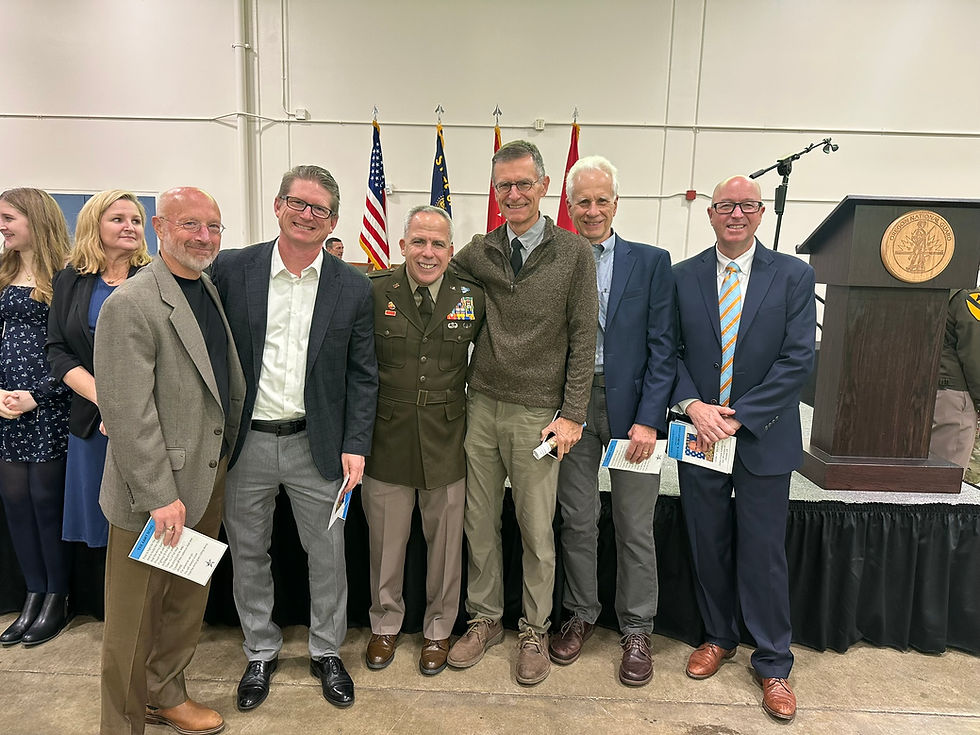
A strong community starts with thoughtful leadership. Carson believes in responsible budgeting, supporting a healthy local economy, and keeping city resources focused on the services McMinnville residents rely on.
RESPONSIBLE SPENDING
Use taxpayer dollars thoughtfully and keep city resources focused on community priorities.
STRONG LOCAL ECONOMY
Support an environment where local businesses and employers can succeed.
LISTEN & LEAD
Listen to residents, consider different perspectives and make practical decisions for McMinnville.